

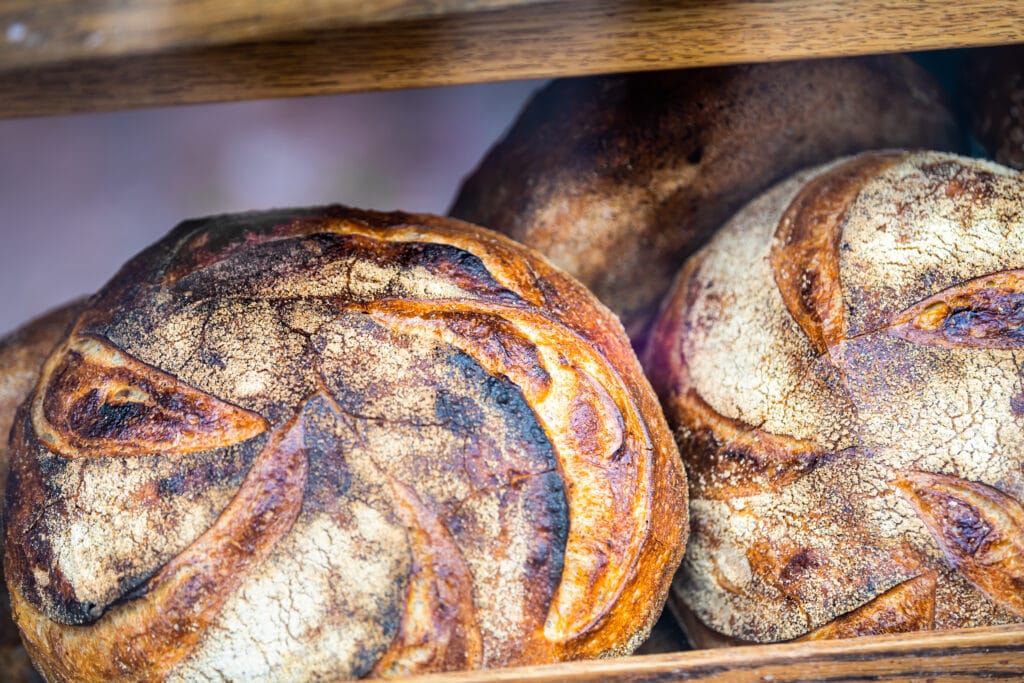
There’s something deeply comforting about the smell of fresh sourdough bread filling a kitchen on a cold Icelandic morning. Long before wellness became a trend, slow fermentation, simple ingredients, and mindful preparation were already part of traditional food cultures across the world – and sourdough remains one of the best examples of that philosophy today.
At our Icelandic wellness community, we believe health is not about extremes. It’s about nourishment, rhythm, balance, and reconnecting with the foods that make us feel good from the inside out. Sourdough bread perfectly reflects that mindset.
What Makes Sourdough Different?
Unlike conventional bread made with commercial yeast, sourdough is naturally fermented using a live starter made from flour and water. During fermentation, wild yeast and beneficial bacteria slowly break down the dough over many hours.
This slow process creates:
- A richer, deeper flavor
- A chewy texture and crisp crust
- Improved digestibility for many people
- Lower glycemic impact compared to some commercial breads
- Naturally occurring beneficial acids and compounds
The beauty of sourdough is its simplicity. Flour, water, salt, and time.
Why Wellness Enthusiasts Love Sourdough
1. Easier Digestion
Many people find sourdough gentler on digestion than standard bread. The fermentation process partially breaks down gluten and phytic acid, which may make nutrients easier for the body to absorb.
While sourdough is not gluten-free, some individuals who struggle with highly processed breads often report feeling better when eating authentic long-fermented sourdough.
2. Better Blood Sugar Balance
The natural fermentation process may help lower the glycemic response of bread. Pairing sourdough with protein-rich Icelandic foods like skyr, smoked fish, eggs, or butter creates a balanced meal that supports steady energy throughout the day.
3. Supports Slow Living
Sourdough encourages patience. You cannot rush it.
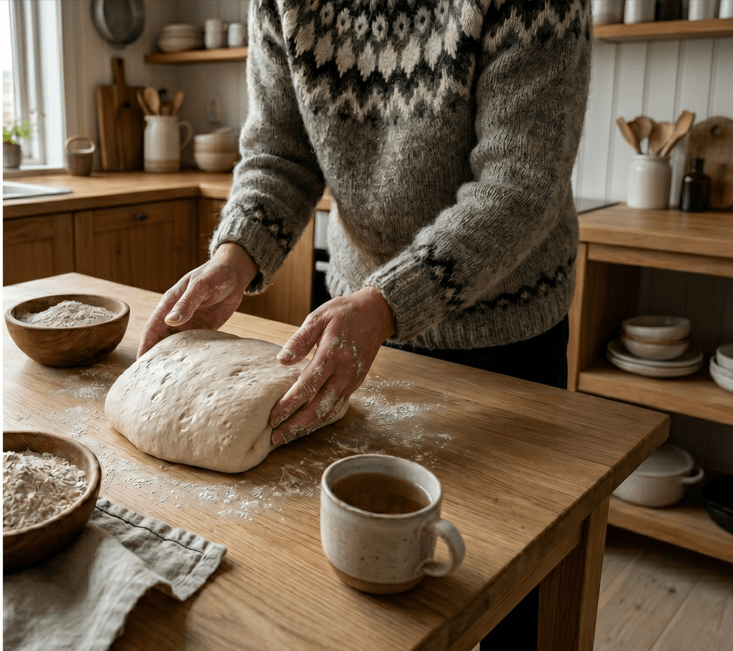
Feeding a starter, waiting for fermentation, shaping dough by hand, and baking slowly are all small rituals that reconnect us with mindful living. In many ways, sourdough baking mirrors Iceland itself – slower, calmer, rooted in nature, and deeply seasonal.
The Icelandic Connection
Iceland’s wellness culture is built around simplicity and quality:
- Pure water
- Clean ingredients
- Traditional preparation methods
- Time outdoors
- Deep rest and recovery
- Community-centered meals
Sourdough naturally fits within this lifestyle.
A warm slice of sourdough after a cold sea swim, a long hike, or a winter walk feels grounding and nourishing. It complements Icelandic staples beautifully – from rich seafood soups to local butter, cheeses, and fermented foods.
Is Sourdough Healthy?
Like all foods, balance matters.
Authentic sourdough made with quality ingredients can absolutely be part of a healthy lifestyle. The key is choosing real sourdough with long fermentation rather than supermarket breads that simply use sour flavoring.
Look for:
- Minimal ingredients
- Long fermentation times
- Organic or stone-ground flour when possible
- No unnecessary preservatives
How to Enjoy Sourdough the Icelandic Wellness Way
Here are a few nourishing ideas:
Morning Simplicity
Toasted sourdough with Icelandic butter, sea salt, and soft-boiled eggs.
Nordic Lunch
Open-faced sourdough topped with smoked salmon, cucumber, dill, and skyr.
Cozy Evening Meal
Sourdough served beside warming vegetable soup or fish stew after a cold day outdoors.
Mindful Weekend Ritual
Bake your own loaf slowly over the weekend and enjoy the process as much as the result.
Simple Icelandic-Inspired Sourdough Recipe
Making sourdough at home can feel intimidating at first, but once you understand the rhythm, it becomes one of the most rewarding wellness rituals you can build into your week.
Ingredients
For the Starter
- 100g flour
- 100g lukewarm water
Feed daily with equal parts flour and water for 5–7 days until bubbly and active.
For the Bread
- 500g bread flour
- 350g water
- 100g active sourdough starter
- 10g sea salt
Instructions
- Mix the flour and water together and let rest for 30 minutes.
- Add the sourdough starter and salt.
- Knead or stretch and fold the dough several times over 2–3 hours.
- Cover and let ferment overnight at room temperature.
- Shape the dough and let it rise again for 1–2 hours.
- Bake in a preheated Dutch oven at 230°C (445°F) for 20 minutes with the lid on.
- Remove the lid and bake another 20–25 minutes until golden brown.
- Let cool fully before slicing.
The result is a nourishing loaf with a crisp crust, soft interior, and rich fermented flavor.
Where to Find Great Sourdough in Iceland
If you are visiting Iceland or simply exploring the local wellness food scene, there are several bakeries and cafés known for excellent sourdough bread.
Reykjavík
- Sandholt Bakery
- Brauð & Co.
- Brikk
- Deig Workshop
- Bernhöftsbakarí
- BakaBaka
- Hygge Coffee & Micro Bakery
- Skalli Bistro
- 280 bakery
Outside Reykjavík
- Geirabakarí Kaffihús in Borgarnes
- Almar Bakery Selfoss, Hella and Hveragerði
- LYST Akureyri
- Braugerðshúsið Akureyri
- Bakarí við Brúna Akureyri
Many Icelandic cafés also serve sourdough sandwiches, Nordic-style open-faced toast, and seasonal wellness-focused brunches.
Build Your Own Icelandic Wellness Journey
Sourdough, geothermal spas, Nordic nutrition, nature therapy, cold exposure, hiking, mindfulness, and slow living all connect beautifully within Icelandic wellness culture.
If you would like help creating a personalized Iceland wellness experience, visit Crafted Wellness where we can help design a custom wellness journey built around your interests, pace, and travel style.
Final Thoughts
Wellness does not need to be complicated.
Sometimes it looks like slowing down enough to bake bread, share meals, and appreciate simple ingredients made well.
Sourdough is more than a food trend. It is a return to traditional nourishment, mindful preparation, and everyday rituals that support both body and mind.
And in Iceland — where nature constantly reminds us to slow down and reconnect — that philosophy feels perfectly at home.