

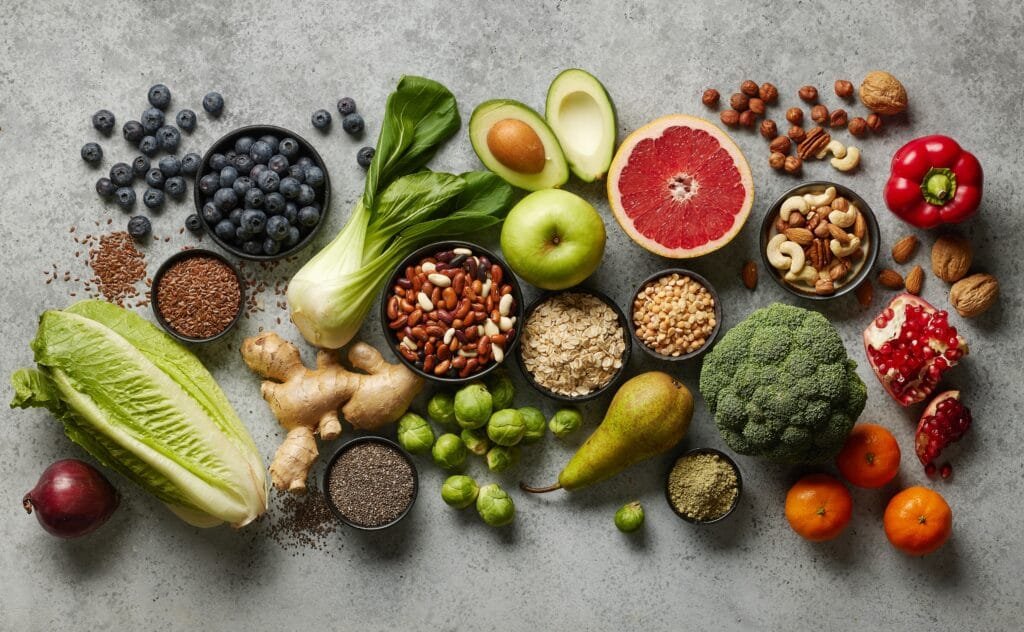
Explore nutritious foods available in Iceland and learn how seafood, skyr, berries, and vegetables can support a healthy lifestyle.
Healthy eating does not have to be complicated. In fact, small changes can make a big difference over time. Fortunately, Iceland offers many nutritious foods that can support your overall wellbeing.
From fresh seafood to local berries, Iceland provides plenty of healthy options. Moreover, many of these foods are easy to find throughout the country.
Here are 10 healthy foods you can enjoy in Iceland.

1. Icelandic Fish
Fish is one of Iceland’s most valuable natural foods. Cod, salmon, and Arctic char provide high-quality protein and healthy omega-3 fats.
These nutrients support heart health and brain function. In addition, fish contains important vitamins and minerals.
For best results, try to eat fish two or three times each week.
2. Skyr
Skyr has been a part of Icelandic culture for centuries. It offers a rich source of protein while remaining low in fat.
Furthermore, skyr contains calcium, which helps maintain strong bones and teeth. You can enjoy it on its own or pair it with fruit and nuts for a balanced snack.

3. Lýsi (Cod Liver Oil)
Lýsi has supported Icelandic health for generations. It provides omega-3 fatty acids as well as vitamins A and D.
These nutrients support heart health, brain function, and normal immune function. In addition, vitamin D can be especially valuable during Iceland’s darker months.
Many Icelanders include a daily serving of lýsi in their wellness routine.
4. Root Vegetables
Root vegetables grow well in Iceland’s unique environment. Carrots, potatoes, turnips, and rutabagas all provide important nutrients.
They also contain fiber, which supports healthy digestion. Moreover, these vegetables can help you feel full for longer.
Try roasting them with herbs for a simple and satisfying meal.
5. Leafy Greens
Thanks to geothermal greenhouses, Iceland produces fresh leafy greens throughout the year. Kale, spinach, and lettuce provide vitamins, minerals, and antioxidants.
In particular, they supply vitamin K and folate. Therefore, adding greens to your daily meals can support overall health.
A handful of greens in a salad or smoothie is an easy place to start.
6. Geothermal Greenhouse Tomatoes
Iceland’s geothermal energy helps farmers grow fresh tomatoes throughout the year. These tomatoes provide vitamin C and antioxidants that support overall health.
Furthermore, locally grown tomatoes offer fresh flavor in every season. You can add them to salads, sandwiches, soups, and many other meals.
As a result, greenhouse tomatoes have become one of Iceland’s most successful local food products.

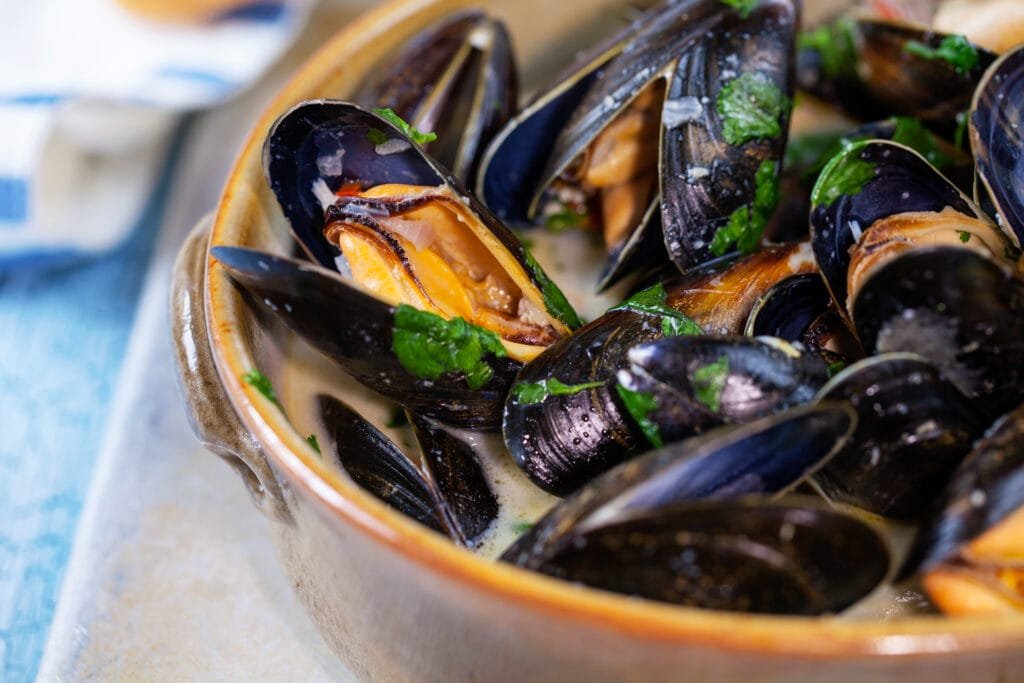
7. Icelandic Mussels (Bláskel)
Icelandic mussels grow in clean coastal waters and offer an impressive nutritional profile. They provide high-quality protein while remaining relatively low in fat.
In addition, mussels contain iron, zinc, selenium, and vitamin B12. These nutrients help support energy production and normal immune function.
Because they come from Iceland’s pristine marine environment, mussels make an excellent choice for a healthy diet.
8. Icelandic Lamb
Icelandic lamb spends much of the summer grazing freely in nature. As a result, it provides a high-quality source of protein.
It also contains iron, zinc, and vitamin B12. These nutrients support energy production and normal immune function.
However, experts recommend enjoying red meat in moderation as part of a balanced diet.
9. Seaweed
More people are choosing seaweed from Icelandic waters as a nutritious food option. Seaweed provides iodine, which supports normal thyroid function.
Additionally, it contains several minerals and trace elements. You can enjoy it as a snack or use it to add flavor to soups and salads.
10. Fermented Foods
Fermented foods can support a healthy gut. Skyr and other cultured dairy products contain beneficial bacteria that contribute to digestive health.
A healthy digestive system supports many important functions in the body. Therefore, including fermented foods in your diet may offer several benefits.
Simple Tips for Healthy Eating
Healthy eating works best when you focus on long-term habits. Instead of searching for a single superfood, aim for balance and variety.
To support your health:
- Eat a variety of fruits and vegetables.
- Choose quality protein sources.
- Include whole grains whenever possible.
- Stay hydrated throughout the day.
- Limit highly processed foods.
- Reduce excess added sugar.
- Enjoy meals mindfully.
Final Thoughts
Iceland offers many foods that can support a healthy lifestyle. For example, fresh seafood, skyr, berries, and vegetables all provide valuable nutrients.
At the same time, healthy eating does not require perfection. Rather, consistent and balanced choices matter most.
By including more nutrient-rich foods in your daily routine, you can take meaningful steps toward better health and wellbeing.
This article provides general wellness information and does not replace professional medical advice. If you have questions about your diet or health, consult a qualified healthcare professional.
Interested in learning more about sourdough? Visit our blog for baking tips, health insights, and everything you need to know about naturally fermented bread.